We've been calling everything a season.
Hard month at work: it's just a season. Difficult relationship dynamic: you're in a season of growth. Falling behind on the goals you set for yourself: this is a resting season. The word gets deployed like a salve, a way of framing whatever uncomfortable thing is happening as something temporary and self-limiting, something that will eventually end on its own the way winter does.
And sometimes that's right. Some things are seasons. They're conditions you move through, and moving through them is the whole job.
But I think we've been applying that word to things that aren't seasons. Things that are phases.
The distinction matters.
A season is external. It happens to you. It arrives because of conditions outside your control, or conditions that are cycling through in ways that have little to do with your choices. Grief is a season. A genuinely difficult external circumstance is a season. Even certain passages of creative dormancy are seasons, where rest is the work even when it looks like doing nothing.
A phase is different. A phase is something you're in because of what you're doing. It has an internal logic. It's building something, or it's revealing something, or it's asking something of you that has a specific answer. A phase isn't waiting for better conditions. A phase is the conditions, and you are the thing the conditions are acting on. The whole point is the transformation.
When we call a phase a season, we give ourselves permission to wait it out. We get comfortable in the posture of patience. We trust the shift without doing anything to accelerate it or earn it. Which works fine for actual seasons. Winter becomes spring on its own schedule regardless of what you do.
But phases don't end that way. Phases end when the thing that's supposed to happen in them has happened, when you've built the thing or answered the question or come through the fire changed in the way the fire was always going to require. They don't close on their own. They close when you've done the work.
I've caught myself calling hard phases seasons. Not as a comfort. As an escape from accountability. If it's a season, I don't have to examine what I'm doing to contribute to it or sustain it. I can just wait. And there's something seductive about that, especially when you're tired and you'd very much like to let something end.
The reframe I've been working on is this: what if I stopped asking when this will be over and started asking what this is for?
That's a season-to-phase shift. And it changes what you do with the time.
A season you survive. A phase you use.
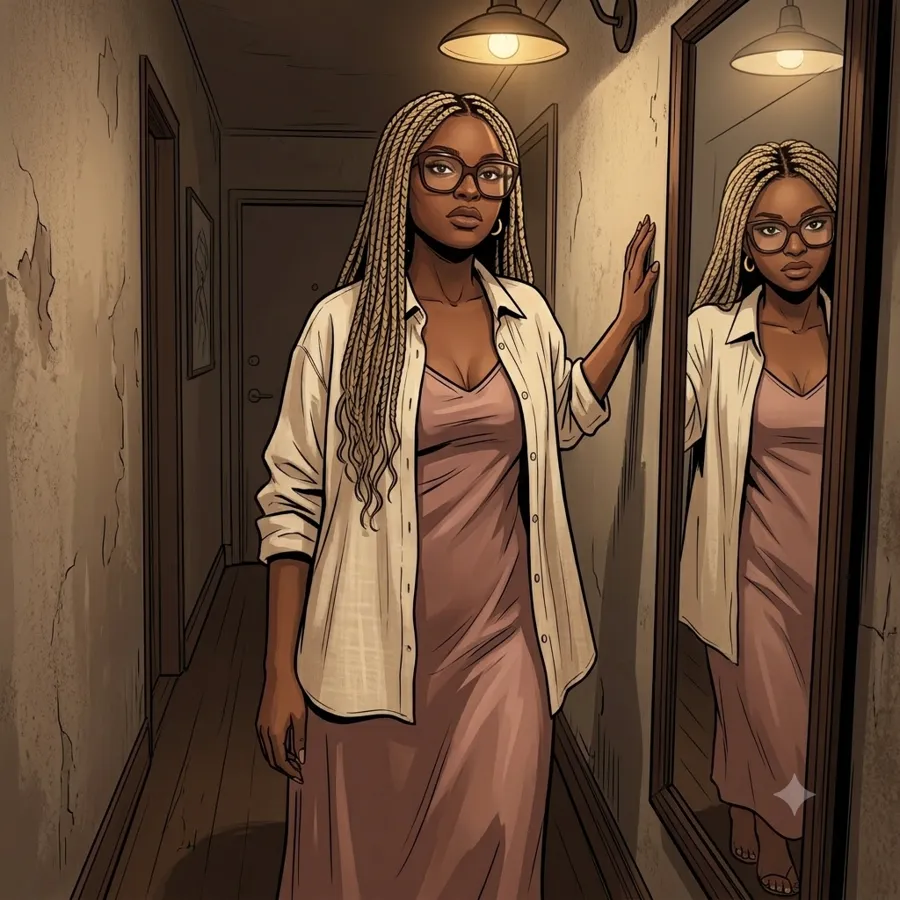
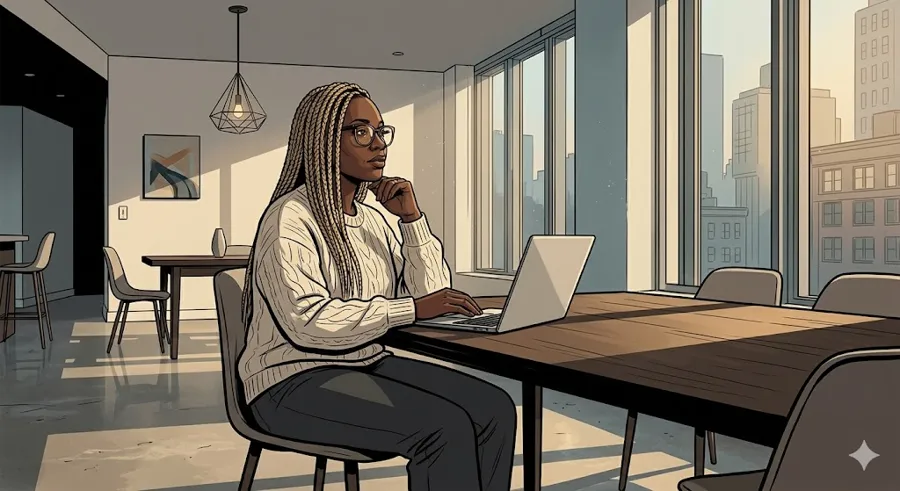
I think about the women I know who are genuinely in transformation, not the performed kind, but the actual structural kind where you can feel something changing at the level of how they make decisions. They are not comfortable. They are not waiting it out. They have something at stake and they are meeting that something with their whole selves. And what they call what they're in, privately, is not usually a season. It's something more precise. A turning point. A building period. A reckoning. A phase.
Language shapes behavior. If you call the thing a season, you bring season-behavior to it: patience, endurance, the practiced art of getting through. If you call it a phase, you bring phase-behavior: attention, accountability, the practice of being inside a building project and knowing that the building is actually on you.
This is not an argument against rest or patience. Both of those are right in their actual contexts.
It's an argument for accuracy. For looking honestly at what you're in and calling it by its right name, even when the right name requires more of you than the easy one.
Some things will not end on their own. Some things are waiting for you to end them, by becoming the version of yourself they were always trying to build.
That's not a season.
That's a phase.